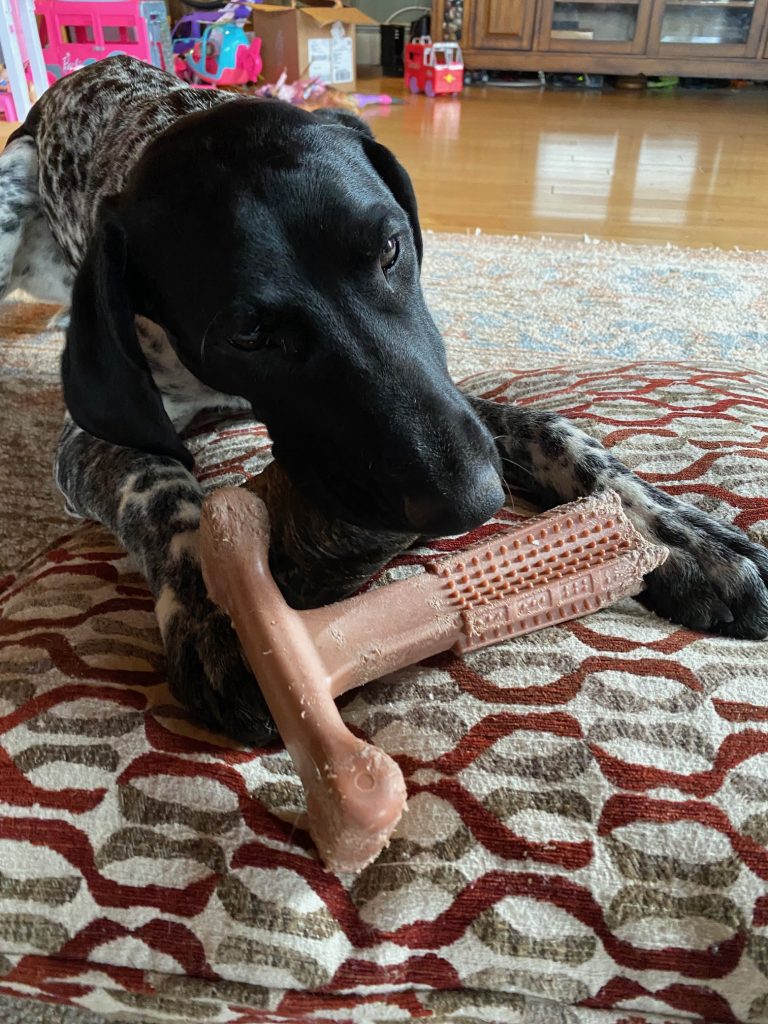

Why Is My GSP Whining So Much? (And How to Fix It)
German Shorthaired Pointers are known for their intelligence, energy, and enthusiasm. But many owners quickly discover another trait of the breed — they can be very vocal.
If your GSP constantly whines, cries, or makes noise around the house, you’re not alone. Whining is one of the most common behavior complaints from new German Shorthaired Pointer owners.
The good news is that most whining has clear causes and simple solutions once you understand why it’s happening.
In this guide we’ll cover:
- Why German Shorthaired Pointers whine
- How to stop excessive whining
- Training tools that help correct the behavior
Common Reasons GSPs Whine
Understanding why your dog is whining is the first step to fixing the problem.
1. Not Enough Exercise
German Shorthaired Pointers are high-energy hunting dogs bred to run and work for hours in the field.
If they don’t get enough daily exercise, that energy often turns into:
- whining
- pacing
- destructive chewing
- digging
Many owners see these behaviors together. If your dog is also destroying things around the house, you may want to read this guide:
Increasing physical and mental exercise is often the fastest way to reduce whining.
2. Attention Seeking
GSPs love being around their people. If they learn that whining gets attention, they may start doing it regularly.
Examples include whining when:
- you stop petting them
- you’re working at a desk
- they want to go outside
- they want to play
The key here is not rewarding the whining with attention.
3. Crate Frustration
Many GSP owners notice whining when their dog is inside a crate.
This is especially common in puppies that are still adjusting to crate training.
A properly sized crate can make a big difference. If you’re still setting up your dog’s crate area, check out my guide:
Creating a comfortable, calm crate environment often reduces whining significantly.
4. Separation Anxiety
Some German Shorthaired Pointers become anxious when left alone.
Signs include:
- whining when you leave the house
- barking when you’re gone
- pacing or scratching doors
These dogs usually benefit from structured training and mental stimulation before you leave the house.
How to Stop a GSP From Whining
Most whining behaviors can be reduced with consistent training and better exercise routines.
Increase Daily Exercise
A tired GSP is a quiet GSP.
Many adult German Shorthaired Pointers need:
- 1–2 hours of exercise per day
- off-leash running
- retrieving games
- structured training sessions
If you eventually plan to run your dog in large areas while hunting, many owners use GPS tracking collars to keep track of their dogs.
These systems allow your dog to run freely while still staying safe.
Ignore Attention Whining
If your dog whines for attention, the worst thing you can do is immediately respond.
Instead:
- Ignore the whining
- Wait for silence
- Reward calm behavior
This teaches your dog that quiet behavior gets attention — not whining.
Reinforce Calm Behavior
Reward your dog whenever they:
- relax quietly
- lie down calmly
- settle without whining
Keeping treats nearby during training sessions makes this easier.
A simple training pouch like the RoyalCare Silicone Dog Treat Pouch works well because it clips to your belt and allows quick access to rewards during training.
Training Tools That Help Reduce Whining
Some simple training tools can make behavior correction much easier.
Training Whistle
Many bird dog trainers use whistles to get a dog’s attention instantly.
One of the most popular options is the Roy Gonia Special Whistle, which produces a loud, consistent sound that carries well outdoors.
Whistles help interrupt unwanted behavior quickly and redirect your dog to a command.
Long Training Lead
A long lead allows you to work on obedience training while still giving your dog freedom to move.
The RigidBuilt biothane (30 ft) is a popular option used for recall training and structured exercise.
These leads are especially helpful when teaching commands like:
- recall
- place
- down
Remote Training Collar
For off-leash training, many experienced GSP owners eventually introduce remote collars.
These tools allow you to reinforce commands even when your dog is at a distance.
If you’re considering one, I compared several options in this guide:
Used correctly, remote collars can dramatically improve off-leash control.
When Whining Is Normal
Some whining is completely normal, especially for young dogs.
German Shorthaired Pointers tend to go through a high-energy adolescent phase between:
6 months and 2 years old
During this time you may see:
- whining
- chewing
- digging
- excessive excitement
Consistent exercise and training usually reduce these behaviors as the dog matures.
Final Thoughts
Whining is very common in German Shorthaired Pointers, but it’s usually a sign that something needs adjustment.
In most cases the solution is simply:
- more exercise
- better training structure
- reinforcing calm behavior
Once their physical and mental needs are met, most GSPs become much calmer and quieter companions.
If you’re dealing with multiple behavior issues at once, you may also want to check out:
Many of these behaviors are connected and can often be solved with the same training approach.
We publish field-tested gear reviews, training guidance, and safety resources specifically for German Shorthaired Pointer owners who hunt, train, and live with their dogs year-round.