Why Is My GSP Digging Holes? (And How to Stop It Fast)
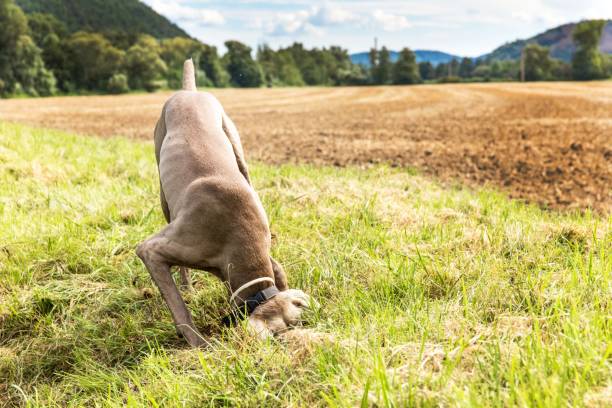
German Shorthaired Pointers are intelligent, energetic working dogs. When their needs aren’t met, they often find ways to burn energy on their own — and digging holes in the yard is one of the most common results.
If your GSP is turning your lawn into a minefield, you’re not alone. Digging is extremely common in high-drive hunting breeds.
The good news is that once you understand why your GSP is digging, it becomes much easier to stop the behavior.
Why German Shorthaired Pointers Dig
Most digging problems come down to one of four things.
1. Too Much Energy
GSPs were bred to hunt for hours across large fields. A quick walk around the block usually isn’t enough exercise.
When a GSP has extra energy, they often release it through destructive behaviors like:
- digging
- chewing
- jumping
- whining
Regular exercise such as long runs, field training, or retrieving sessions can dramatically reduce digging.
Training tools like a long check cord can also help burn energy while reinforcing recall and control.
See our guide:
2. Boredom
A bored GSP will invent their own job. Unfortunately that job might be excavating your yard.
Mental stimulation is just as important as physical exercise.
Good boredom solutions include:
- retrieving drills
- scent work games
- training sessions
- puzzle toys
Durable toys designed for strong chewers can help keep your dog occupied when you aren’t actively training.
A great option many GSP owners use is the KONG Extreme Dog Toy, which can be stuffed with treats to keep dogs busy.
3. Hunting Instinct
German Shorthaired Pointers are natural predators. If they smell rodents, moles, or other animals underground, digging becomes an instinctive response.
This is especially common if your yard has:
- chipmunks
- moles
- field mice
In these cases, training recall and boundary control is critical so you can redirect your dog before digging begins.
Many trainers use reliable remote collars like the Garmin Sport Pro Remote Training Collar to reinforce commands during outdoor training.
You can also read our full guide:
4. Trying to Escape the Yard
Some GSPs dig near fences because they want to explore beyond the yard.
These dogs often need:
- more exercise
- more structured training
- stronger recall commands
For dogs that roam large properties or hunt regularly, tracking systems can also provide peace of mind.
Many upland hunters rely on systems like the Garmin Alpha 200i Dog Tracking and Training System to keep track of dogs that range far in the field.
You can read more here:
How to Stop Your GSP From Digging
Stopping digging usually requires a combination of exercise, training, and management.
Here are the most effective strategies.
Increase Daily Exercise
Most adult GSPs need 1–2 hours of real activity per day.
This should include things like:
- running
- retrieving drills
- field work
- scent training
A tired GSP is far less likely to dig.
Give Your Dog a Job
Working breeds thrive when they have a purpose.
Try incorporating short training sessions using:
- retrieving dummies
- scent drills
- obedience work
Even 10–15 minutes of structured training can dramatically improve behavior.
Provide Durable Chew Toys
Many digging problems are actually boredom problems.
Heavy-duty toys like the KONG Extreme Dog Toy can help redirect destructive energy.
Stuffing them with food or treats can keep dogs occupied for long periods.
Supervise Outdoor Time
If your dog has already developed a digging habit, unsupervised yard time can reinforce the behavior.
When possible:
- supervise outdoor time
- interrupt digging immediately
- redirect to training or play
Consistency is key.
The Bottom Line
Digging is a natural behavior for German Shorthaired Pointers, but excessive digging usually means your dog needs more exercise, stimulation, or structured training.
When GSPs get enough physical activity and mental work, destructive behaviors like digging usually fade quickly.
The key is giving these high-drive dogs an outlet for their energy and instincts.
Related Guides for GSP Owners
If you’re dealing with common GSP behavior challenges, these guides may also help:
These tools can make training and managing a high-energy bird dog much easier.
We publish field-tested gear reviews, training guidance, and safety resources specifically for German Shorthaired Pointer owners who hunt, train, and live with their dogs year-round.