Do German Shorthaired Pointers Need a GPS Collar?
German Shorthaired Pointers are known for many things: intelligence, athleticism, endurance, and a strong desire to hunt. They’re also known for covering ground quickly.
For many new GSP owners, a common question eventually comes up:
Do German Shorthaired Pointers actually need a GPS collar?
The short answer is that many hunting and off-leash GSPs benefit greatly from a GPS collar, but not every dog requires one.
The answer depends on how you use your dog, where you hunt, and how much freedom you give them in the field.
Why GSPs Tend to Range Farther Than Other Dogs
German Shorthaired Pointers were developed to locate game efficiently across large areas.
Unlike breeds that naturally stay close, GSPs often:
- Cover ground quickly
- Follow scent independently
- Hunt beyond visual range
- Gain confidence as they mature
- Push farther as bird contacts increase
This is not bad behavior.
In many cases, it’s exactly what they were bred to do.
A young GSP that starts hunting aggressively may eventually range hundreds of yards away in open country.
In thick cover, you may lose sight of your dog in seconds.
Situations Where a GPS Collar Is Highly Recommended
A GPS collar becomes increasingly valuable if you:
- Hunt upland birds
- Hunt public land
- Run your dog off leash frequently
- Train in large fields
- Hunt grouse or woodcock in thick cover
- Own a particularly high-drive dog
- Hunt unfamiliar properties
The more freedom your dog has, the more useful GPS tracking becomes.
Many owners purchase a GPS system after a single experience where they temporarily lose track of their dog.
My View: Training Is Important, But It Doesn’t Replace Tracking
Some owners believe good recall training eliminates the need for GPS tracking.
I disagree.
Training and GPS serve different purposes.
A well-trained dog can still:
- Chase running birds
- Follow scent unexpectedly
- Become temporarily disoriented
- Move out of hearing range
- Cross terrain that blocks visibility
A GPS collar doesn’t replace training.
It provides information when training isn’t enough.
GPS Collar vs E-Collar
Many new owners confuse these tools.
E-Collar
An e-collar is primarily a training tool.
It helps reinforce commands such as:
- Recall
- Whoa
- Heel
- Directional control
If you’re considering introducing one, see:
GPS Collar
A GPS collar is primarily a tracking and safety tool.
It allows you to:
- View your dog’s location
- Monitor distance
- Track movement
- Locate a dog in thick cover
- Recover a dog that moves out of sight
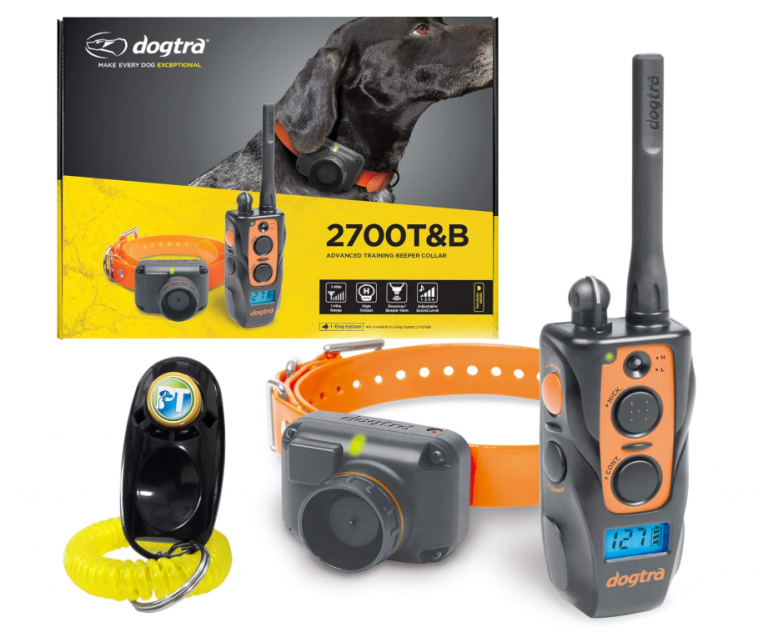
Many modern systems combine GPS tracking and e-collar functions into a single unit.
When a GPS Collar May Not Be Necessary
Not every GSP owner needs a GPS system.
You may not need one if:
- Your dog is primarily a family companion
- Walks are always on leash
- You train only in fenced areas
- Your dog rarely leaves your property
- Hunting is not part of your lifestyle
For these owners, basic obedience and identification tags may be sufficient.
Common Situations Where GPS Collars Save the Day
Ask experienced bird hunters and you’ll hear similar stories.
GPS collars have helped locate dogs that:
- Followed running pheasants
- Chased wounded birds
- Moved behind ridges
- Disappeared into heavy grouse cover
- Became separated during multi-dog hunts
Most hunters who regularly use GPS tracking eventually consider it essential equipment.
Is a GPS Collar Worth the Cost?
GPS systems are not inexpensive.
However, they offer several long-term benefits:
- Increased safety
- Faster recovery of lost dogs
- Greater confidence while hunting
- Better awareness of ranging distance
- Expandability for multiple dogs
Most modern systems allow additional collars to be added later without purchasing another handheld.
For owners who hunt regularly, the investment often becomes easier to justify after a few seasons.
GPS Collars and Young Dogs
Many people assume GPS tracking is only for finished hunting dogs.
In reality, young dogs can benefit from tracking as well.
As confidence increases, many young GSPs begin ranging farther than expected.
GPS tracking allows you to monitor those changes while continuing to focus on training.
If you’re raising a puppy, start with:
Which GPS Collar Is Best for a German Shorthaired Pointer?
There is no single perfect GPS collar.
The best system depends on:
- Budget
- Hunting style
- Number of dogs
- Terrain
- Desired range
We’ve compared the most popular options in detail here:
Preparing for Hunting Season
GPS tracking is only one part of keeping a hunting dog safe and effective in the field.
Physical conditioning, hydration, recall training, and proper preparation matter just as much.
Before the season starts, review:
Final Thoughts
German Shorthaired Pointers do not automatically require a GPS collar.
However, many hunting dogs eventually reach a point where GPS tracking becomes one of the most valuable tools an owner can carry.
Their natural range, independence, and athletic ability are part of what makes the breed special.
A GPS collar simply helps you keep track of that ability when your dog disappears over the next hill, into the next field, or through the next patch of cover.
For many GSP owners, it’s less about convenience and more about peace of mind.
Disclosure
This page contains affiliate links. If you purchase through these links, we may earn a commission at no additional cost to you.
We publish field-tested gear reviews, training guidance, and safety resources specifically for German Shorthaired Pointer owners who hunt, train, and live with their dogs year-round.