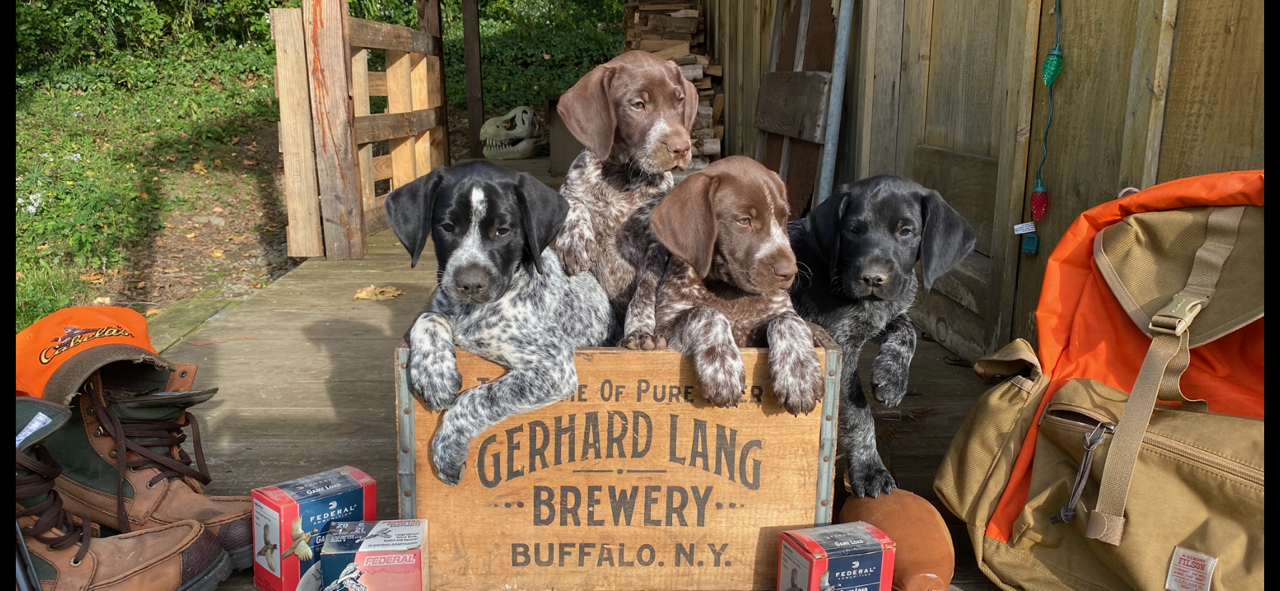
German Shorthaired Pointer Puppy Essentials: What I’d Buy Again
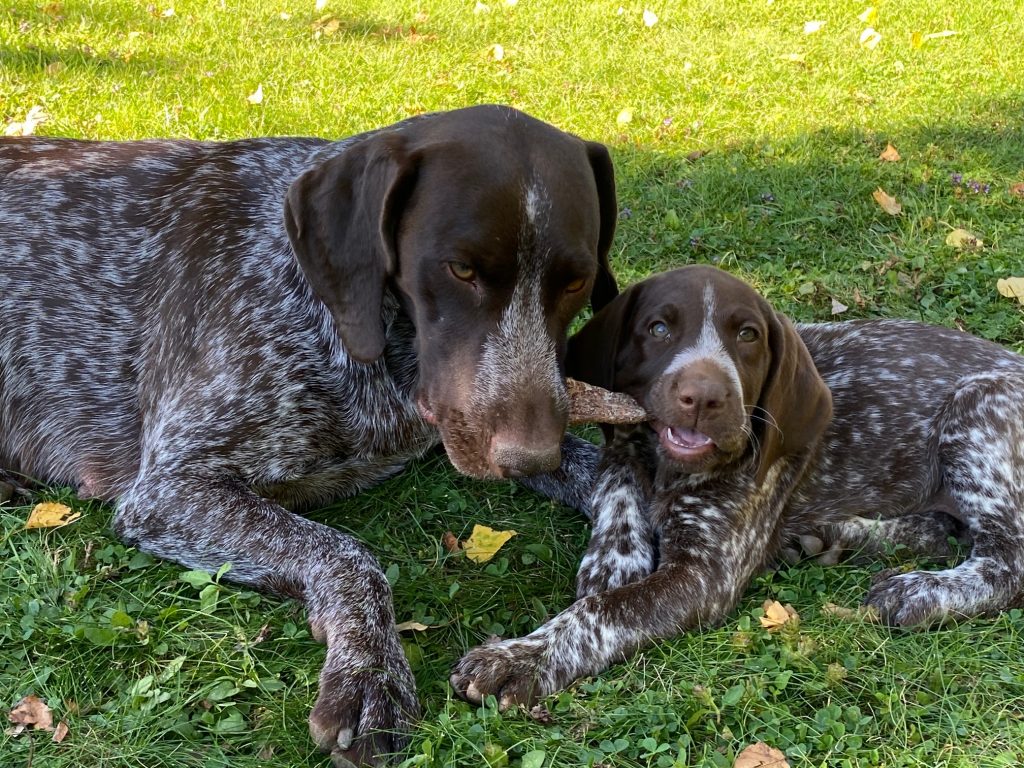
GSP Puppy Supplies: Everything You Actually Need for the First 6 Months
Bringing home a German Shorthaired Pointer puppy is exciting, but it can also feel overwhelming. Walk into any pet store or browse online for ten minutes and you’ll find hundreds of products claiming to be “must-haves” for new puppy owners.
The truth is much simpler.
Most GSP puppies don’t need more gear. They need consistency, structure, training, and a few carefully chosen items that make life easier for both dog and owner.
German Shorthaired Pointer puppies don’t need a house full of gear—but they do need the right supplies from the start. This GSP puppy supplies checklist covers the essentials for the first six months, from crates and collars to training gear, food, grooming, and the basics you’ll actually use.
This guide covers the puppy essentials I would personally buy again if I were bringing home another German Shorthaired Pointer tomorrow. These are the items that helped with crate training, house training, recall, travel, and building a solid foundation during the first six months.
You’ll also find links to more detailed guides covering crates, training treats, check cords, and other gear that deserves a deeper discussion.
Before You Buy Anything
One mistake many new GSP owners make is purchasing advanced gear too early.
You do not need:
- A GPS collar
- A high-end tracking system
- An e-collar for an 8-week-old puppy
- Expensive hunting gear
- Multiple specialty collars
What you do need is a safe place to sleep, a way to teach basic obedience, quality food, and tools that help build good habits from day one.
If you focus on those basics first, everything else becomes much easier later.
Just Got a GSP Puppy?
Start your first 30 days with a plan instead of guessing.
The 30-Day GSP Puppy Starter System gives you a simple roadmap for what to focus on during those critical first weeks.
Inside you’ll get:
- Day-by-day priorities
- Common mistakes to avoid
- Puppy training guidance
- House-training priorities
- Recall foundations
- 9 printable tracking pages
Only $12.99
The first month matters more than most owners realize.
If your goal is to build a confident, cooperative hunting dog, this is where I’d start.
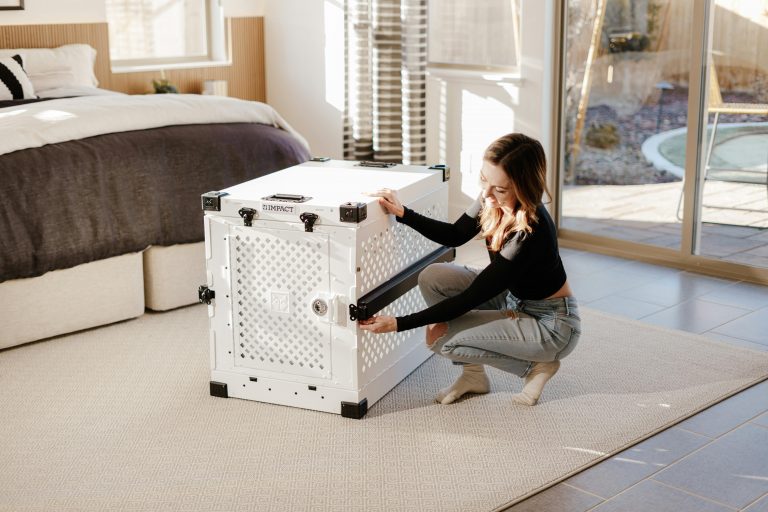
1. A Quality Crate
If I could only buy one item for a new GSP puppy, it would be a crate.
A crate is more than confinement. It’s one of the most useful training tools you’ll own.
A properly introduced crate helps with:
- House training
- Preventing destructive behavior
- Creating structure
- Teaching independence
- Safe travel
Many GSP puppies struggle with an “off switch.” A crate gives them a safe place to settle down and rest.
Look for:
- Durable construction
- Proper ventilation
- Divider panels for growth
- Secure latches
- Easy cleaning
For travel, many owners eventually upgrade to more rugged kennels designed for truck and SUV use.
2. Collar, ID Tag, and Lead
Puppies are fast.
Much faster than most first-time owners expect.
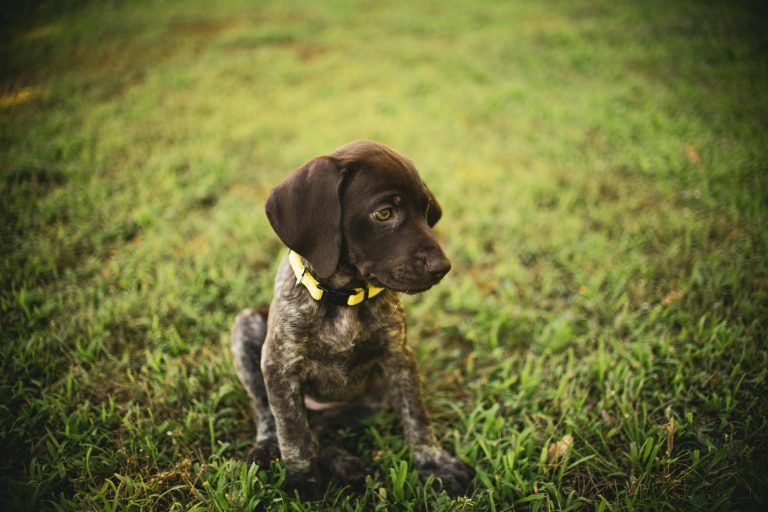
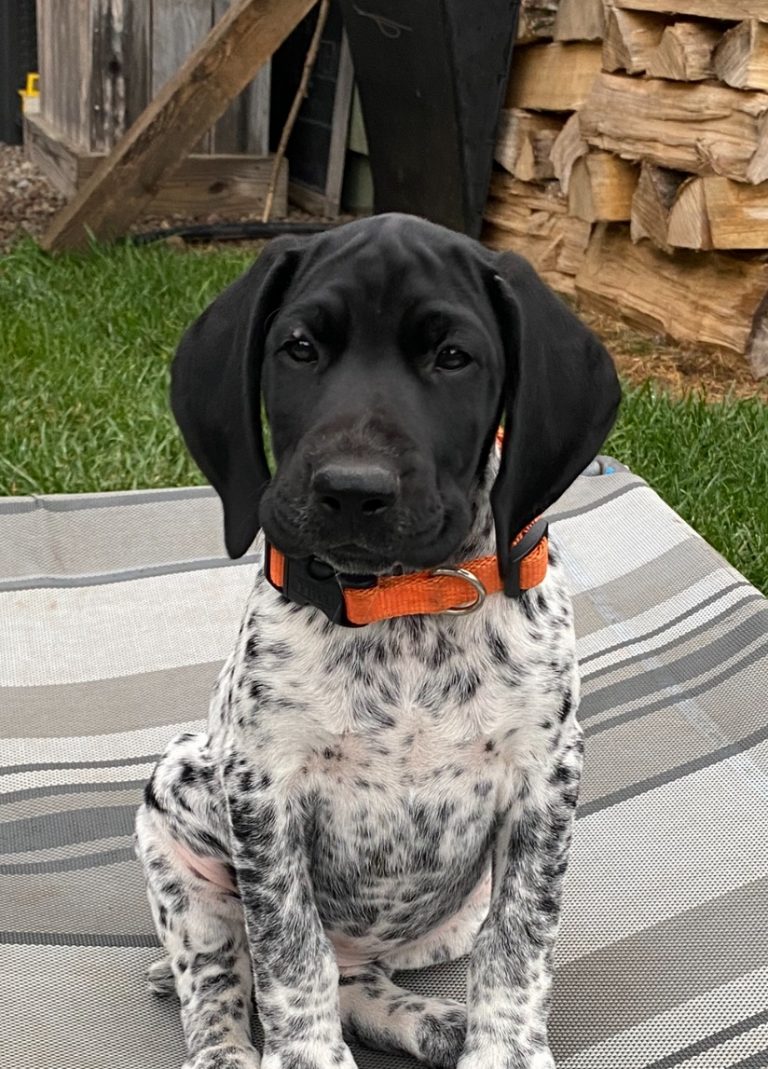
A lightweight collar with an ID tag should be one of the first things your puppy wears.
Keep it simple:
- Flat nylon or Biothane collar
- Durable ID tag
- Lightweight 6-foot leash
Avoid heavy collars, tracking collars, or anything overly complicated during the first few months.
The goal isn’t control.
The goal is teaching your puppy that wearing equipment is normal and comfortable.
3. Check Cord for Recall Training
Few pieces of gear provide more value than a check cord.
A check cord allows you to teach:
- Recall
- Boundaries
- Field manners
- Basic obedience outdoors
For a breed that was developed to cover ground, reliable recall becomes important very quickly.
I prefer:
- 15-30 feet
- Biothane construction
- Easy-to-clean materials
- Minimal tangling
A quality check cord will often be used long before an e-collar ever enters the picture.
4. Training Treats and Engagement Rewards
German Shorthaired Pointers are highly food motivated when training is done correctly.
You don’t need expensive treats.
You do need something your puppy finds rewarding.
I like:
- Soft training treats
- Small freeze-dried treats
- Food puzzles
- Reward toys
- Kongs
Short, positive training sessions consistently outperform long sessions.
The right rewards help create enthusiasm without creating dependency.
5. Quality Puppy Food
Nutrition affects everything.
Growth.
Energy.
Recovery.
Joint development.
Learning ability.
Choose a puppy food formulated for active medium-to-large breed puppies.
Look for:
- Quality protein sources
- Balanced calcium and phosphorus
- Appropriate calorie levels
- Consistent ingredients
Remember that GSP puppies grow quickly. Avoid overfeeding and focus on maintaining a lean body condition rather than maximum size.
6. A Training Whistle
Most people wait too long to introduce a whistle.
I prefer introducing whistle recall early.
Benefits include:
- Consistent recall cue
- Distance communication
- Easier transition to field training
- Less dependence on yelling
A simple single-tone whistle is more than enough for most owners.
7. Basic Health and Grooming Supplies
GSPs have short coats, but they still require routine care.
Keep these items on hand:
- Nail grinder or trimmers
- Ear cleaner
- Styptic powder
- Tick prevention
- Basic first-aid supplies
One item I never skip is styptic powder.
Eventually every owner trims a nail too short.
When it happens, you’ll be glad it’s already in the cabinet.
One More Thing: Don’t Overbuy Puppy Gear
You don’t need a house full of specialized equipment to raise a great GSP. Start with the basics, build good habits, and add specialized gear as your puppy actually needs it.
The goal isn’t to own more gear — it’s to build a better-trained dog.
What You Don’t Need Yet
This is where new owners waste the most money.
Skip these for now:
- GPS collars
- Expensive tracking systems
- Advanced e-collars
- Long-range electronics
- Specialty hunting gear
Build obedience first.
Build confidence first.
Build recall first.
Then add advanced equipment when your puppy is ready.
Preparing for Future Hunting Training
Your GSP doesn’t need advanced hunting equipment as a puppy. What matters now is building the obedience, confidence, recall, and physical foundation you’ll rely on later in the field.
When your dog is ready for more structured preparation, the 6-Week Upland Hunting Prep Guide gives you a step-by-step plan for conditioning, field work, and getting ready for opening day.
Not hunting yet? Don’t worry about this part. Build the foundation first.
Thinking About E-Collar Training Later?
An e-collar can become a useful training tool as your GSP matures, but it’s not something you need to rush into with a young puppy.
First build the basics: obedience, recall, communication, and a reliable response to your commands.
When you’re ready to introduce an e-collar, use it as part of a structured training system—not as a substitute for teaching the behavior.
Our GSP E-Collar Training System walks through introduction, timing, stimulation levels, and common mistakes so you can use an e-collar correctly and confidently.
Build the foundation first. Add the e-collar when your dog is ready.Thinking About E-Collar Training Later?
Many owners ask when they should introduce an e-collar.
The answer is usually later than they think.
An e-collar should reinforce commands your dog already understands, not teach them.
When you’re ready, the GSP E-Collar Training System walks through:
- Conditioning
- Timing
- Stimulation levels
- Common mistakes
- Building reliable recall
Final Thoughts
If I were starting over with a brand-new German Shorthaired Pointer puppy tomorrow, these are the items I’d buy again without hesitation.
Not because they’re flashy.
Not because they’re expensive.
Because they help create structure, consistency, and good habits during the most important months of a young dog’s life.
Focus on the fundamentals.
A crate, a lead, a check cord, quality food, and consistent training will do more for your puppy than a garage full of expensive gear.
Build the dog first.
Buy the advanced gear later.
Sources & Feedback
This checklist reflects a mix of personal experience with GSPs, common recommendations from seasoned upland handlers, and general best practices for puppy care and training. If you’ve used a gear item that worked well for your GSP puppy, feel free to share your experience in the comments.
Related Puppy Guides
- Puppy Essentials Overview
- Best Check Cord Length for GSP Puppies
- Best Training Dummies for Pointing Dogs
- Nail Trimmers for Active Puppies
Ready to Get Your GSP Puppy Started Right?
You don’t need every piece of gear on this list today.
You need a simple plan for what to work on first.
The 30-Day GSP Puppy Starter System gives you a clear roadmap for those critical first weeks, plus printable trackers to help you stay consistent.
Start with the foundation. Add the gear as your GSP grows.
Affiliate Disclosure
This page contains affiliate links. If you make a purchase through these links, I may earn a small commission at no additional cost to you. I only link to products and tools that are practical, safe, and suitable for German Shorthaired Pointer puppies based on real-world use and trusted handler feedback.
We publish field-tested gear reviews, training guidance, and safety resources specifically for German Shorthaired Pointer owners who hunt, train, and live with their dogs year-round.