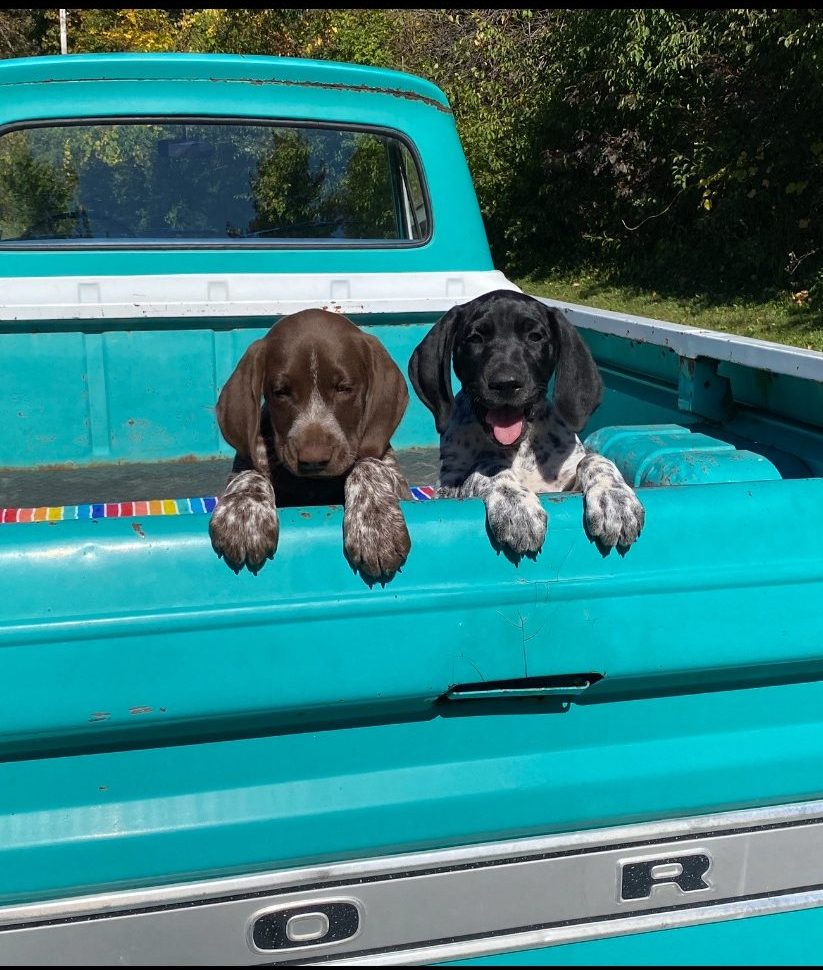
What Size Crate Does a GSP Puppy Need? (And What Actually Works)
Best Puppy Crate for GSPs (Quick Answer)
German Shorthaired Pointers are athletic, intelligent, and notoriously energetic—even as puppies. Choosing the wrong crate can make potty training harder, create safety issues during travel, and cost you money when your puppy outgrows it too quickly.
When Olive was a puppy, I learned quickly that crate choice affects more than just sleeping arrangements. The right crate made travel easier, reduced distractions, and gave her a secure place to settle down after training sessions, and when staying overnight at camp.
New GSP Puppy?
Start your first 30 days with a plan instead of guessing.
The 30-Day GSP Puppy Starter System gives you a simple roadmap for what to focus on during those critical first weeks.
✔ Day-by-day priorities
✔ Common mistakes to avoid
✔ Puppy gear guidance
✔ 9 printable tracking pages
Only $12.99
Related Guides for New GSP Owners
If you just want a crate that’s safe, durable, and works for most situations
Go with the Petmate Sky Kennel
- Strong enough for active GSPs
- Great for travel and hunting
- Works from puppy stage into adulthood
- Affordable
Why the Petmate Sky Kennel Is My Top Pick
Most GSP owners don’t need a $500–$1,000 kennel for a young puppy.
The Petmate Sky Kennel hits the sweet spot between durability, safety, and affordability. It’s strong enough for most German Shorthaired Pointer puppies, works well for house training, and can double as a travel kennel when needed.
If you’re raising your first GSP and want a crate that simply works without spending a fortune, this is where I’d start.
What I Used With My GSP Puppy
When Olive came home, I used a plastic travel-style kennel rather than a wire crate. I wanted something that worked for house training but could also travel to camp, hunting trips, and eventually ride in the truck.
Looking back, I’d make the same decision again. The enclosed design helped reduce distractions and gave her a consistent place to settle down after training sessions, exercise, and sleeping at night.
When most people picture a “puppy crate,” they think of a flimsy wire cage.
That’s not what we’re talking about here.
For German Shorthaired Pointers — especially high-drive hunting lines — a rotomolded or heavy-duty plastic travel kennel is the standard. These crates are:
- Safer in vehicles
- Stronger against escape attempts
- Easier to clean
- More secure for long-term use
Below are the best plastic travel-style puppy crates worth considering.
Just Got a New GSP Puppy?
Start with the 30-Day GSP Puppy Starter System and know exactly what to focus on during those first critical weeks.
Why I Prefer Plastic Crates for GSP Puppies
Most pet websites automatically recommend wire crates.
For German Shorthaired Pointers, I generally prefer quality plastic kennels because they:
- Feel more like a den
- Reduce visual distractions
- Provide better security during travel
- Are harder for determined puppies to escape
- Clean up easily after accidents
Wire crates can work well inside the home, but if you eventually plan to travel, hunt, or transport your GSP regularly, a quality plastic kennel is usually the better long-term investment.
Best Plastic Puppy Crates for GSPs
1. Dakota 283 G3 Framed Door Kennel (Best Heavy-Duty Option on Amazon)
Dakota 283 builds rugged, rotomolded kennels designed for working dogs.
Why it works for GSP puppies:
- One-piece rotomolded construction
- Framed metal door for added strength
- Easy drainage hole for cleaning
- Built to grow with your dog
For a GSP puppy, you can size up slightly and use a divider if needed. This kennel can easily last into adulthood.
Best for: Owners who know they’ll be hunting, traveling regularly, or keeping their GSP for years and want to buy one kennel instead of upgrading later.
2. Petmate Sky Kennel (Best Budget Travel Kennel)
Petmate has been making airline-style plastic kennels for decades.
The Sky Kennel is:
- Airline-approved (most sizes)
- Durable plastic shell
- Affordable
- Widely available on Amazon
This is a solid starter option if you don’t need extreme durability. While it isn’t as rugged as a Dakota, Gunner, or Ruff Land, it’s the crate I’d recommend to most new GSP owners because it provides the best balance of cost, safety, and practicality.
Best for: House training and moderate travel use.
3. Gunner Kennel (Premium Field Standard)
Gunner Kennels is widely considered the gold standard for hunting dog travel crates.
- Double-wall rotomolded design
- Crash-tested
- Extremely secure door system
- Built for lifetime durability
It’s expensive — but it’s built for serious travel and long-term protection.
Best for: Field dogs and long-term vehicle use.
4. Ruff Land Kennels (Lightweight Field Favorite)
Ruff Land Kennels are popular among upland and waterfowl hunters.
- Lighter than some rotomolded options
- One-piece molded body
- Multiple ventilation patterns
- More affordable than ultra-premium crates
They’re practical, tough, and widely trusted in the hunting community.
Best for: Hunters who want durability without maximum weight. Again expensive.
NEW GSP OWNER?
Get the Complete GSP Puppy Success Bundle
• 30-Day Starter System
• Puppy Training Tracker
• E-Collar Training System
($37.97 value for $24.99)
——————————–
Planning to train your puppy?
Read:
How to Choose the Right Puppy Crate for a GSP
German Shorthaired Pointers are:
- High-energy
- Smart
- Strong
- Escape-prone
Here’s what matters most:
1. Size (Don’t Oversize Too Much)
Your puppy should be able to:
- Stand up
- Turn around
- Lie down comfortably
Too large = harder house training.
For most GSP puppies:
- 30”–36” works initially
- Adult males typically need 40”
2. Ventilation
GSPs run hot.
Look for:
- Side vents
- Rear vents
- Door ventilation
- Optional fan ports (for truck use)
3. Door Strength
High-drive puppies will test the door first.
Metal-framed or reinforced doors are worth it if your dog is strong-willed.
4. Intended Use
Ask yourself:
- House training only?
- Truck travel?
- Hunting trips?
- Airline travel?
Your use case determines whether you need heavy-duty rotomolded or standard travel plastic.
What Size Crate Does a GSP Puppy Need?
Most German Shorthaired Pointer puppies do best in a 30″ to 36″ crate when they first come home.
As your puppy grows:
| Dog Size | Recommended Crate Size |
|---|---|
| GSP Puppy (8–16 weeks) | 30″–36″ |
| Adult Female GSP | 36″ |
| Adult Male GSP | 40″ |
My recommendation: If you’re buying a premium kennel like a Dakota 283, Ruff Land, or Gunner, buy the size you’ll ultimately need as an adult. These kennels are expensive enough that most owners don’t want to purchase multiple crates as their puppy grows.
Comparison Table
| Crate | Durability | Weight | Best For | Amazon Available |
|---|---|---|---|---|
| Dakota 283 G3 | Heavy-duty rotomolded | Heavy | Long-term use | Yes |
| Petmate Sky | Standard travel plastic | Moderate | Budget / home training | Yes |
| Gunner | Ultra heavy-duty | Very heavy | Serious travel & hunting | No |
| Ruff Land | Durable molded plastic | Lighter | Hunters & field use | Limited |
Frequently Asked Questions
What size crate does a GSP puppy need?
Most GSP puppies do well in a 30”–36” plastic kennel. Adult males typically need 40”.
Are plastic crates better than wire crates?
For German Shorthaired Pointers — yes.
Plastic travel kennels:
- Offer more security
- Reduce overstimulation
- Hold up better during travel
- Are safer in vehicles
Wire crates are fine for light home use but aren’t ideal for high-drive working breeds.
Should I buy a crate my puppy can grow into?
If you’re buying a heavy-duty kennel like Dakota or Gunner, yes. It can last the dog’s lifetime.
For house training, make sure you don’t oversize too much.
Are these airline approved?
Most Petmate Sky Kennels are airline-approved. Always confirm sizing and airline policies before travel.
Should My GSP Puppy Sleep in a Crate at Night?
Yes. Most German Shorthaired Pointer puppies sleep in a crate at night during their first several months at home.
A crate helps with:
- House training
- Establishing a routine
- Preventing destructive behavior
- Keeping your puppy safe when unsupervised
For the first few nights, expect some whining and frequent potty breaks. Consistency is key, and most puppies adjust quickly when the crate becomes part of their daily routine.
New GSP Puppy?
Stop guessing.
The GSP Puppy Success Bundle gives you a day-by-day plan for crate training, potty training, socialization, and building a confident puppy.
GSP Owner Gift Idea
Looking for a small gift for a German Shorthaired Pointer owner?
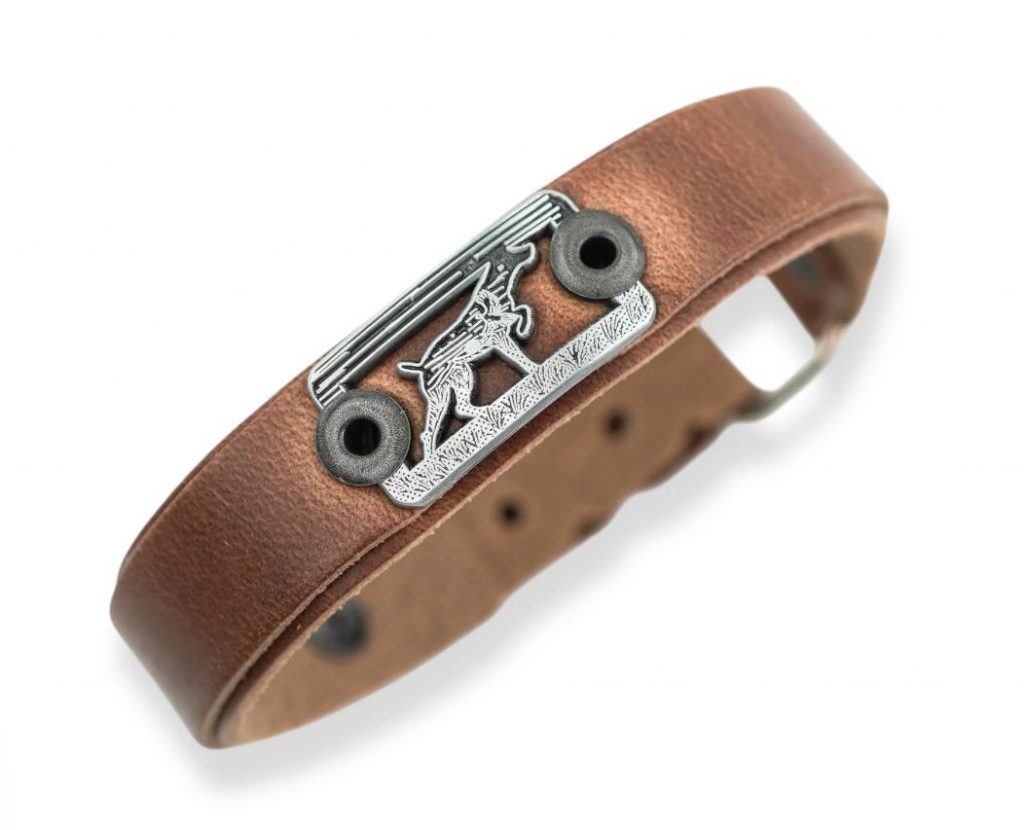
I also like the On Point Flush Outdoor Bracelet from Sightline Provisions — a simple GSP-themed piece that’s a nice option for hunters and GSP owners.
Disclosure
This page contains affiliate links. If you purchase through these links, we may earn a commission at no additional cost to you.
We publish field-tested gear reviews, training guidance, and safety resources specifically for German Shorthaired Pointer owners who hunt, train, and live with their dogs year-round.