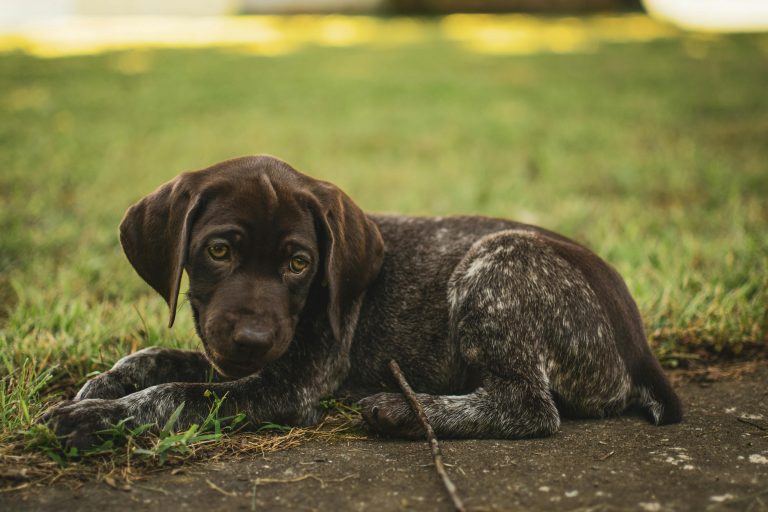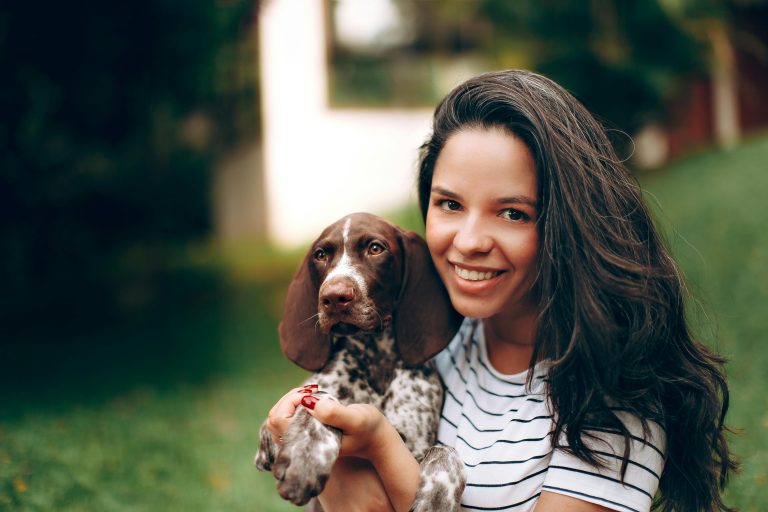
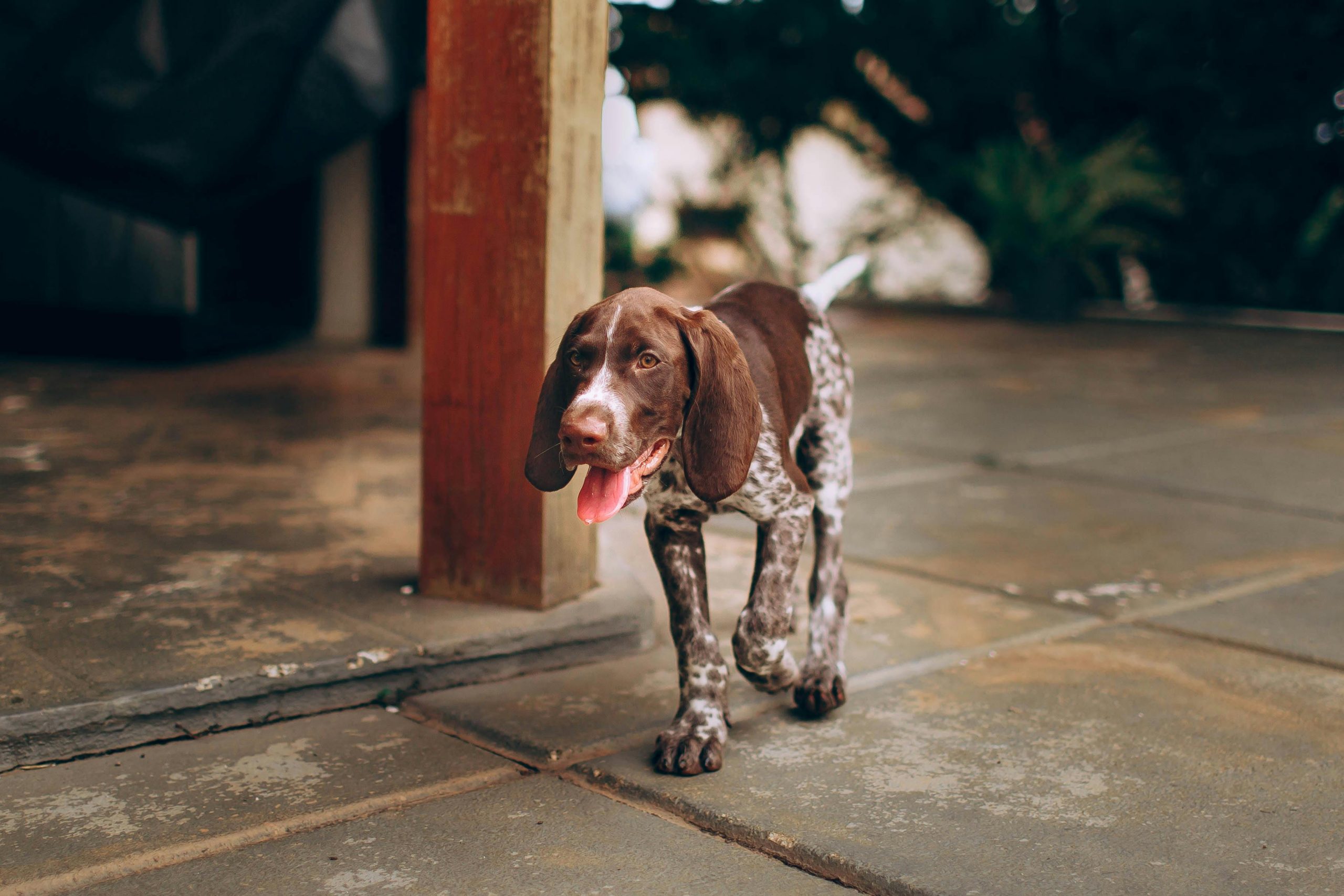
How Long Can a GSP Puppy Hold Its Pee? (Day vs Night Guide)
Bringing home a new GSP puppy comes with one big question almost immediately:
“How often does this dog need to go out?”
The short answer: not long.
German Shorthaired Pointer puppies have small bladders, high energy, and almost no control early on. If you don’t take them out often enough, accidents aren’t just likely — they’re guaranteed.
This guide breaks it down clearly so you know exactly what to expect.
How Long Can a GSP Puppy Hold Its Pee?
A good general rule is:
Age in months = hours they can hold it (during the day)
Example:
- 2 months old → ~2 hours
- 3 months old → ~3 hours
- 4 months old → ~4 hours
But here’s the reality most people don’t realize:
GSP puppies usually need to go out MORE often than this
Why?
- High energy = faster metabolism
- Constant movement = bladder stimulation
- Excitement = instant need to go
Real-World Potty Timing (What Actually Happens)
In the first few weeks, your puppy will need to go:
- Immediately after waking up
- Right after eating or drinking
- After play sessions
- After training sessions
- Any time they get excited
In practice, this often means every 30–90 minutes, not every few hours.
If you wait for signs, you’re already too late.
How Long Can a GSP Puppy Hold It at Night?
Nighttime is different.
Most puppies can hold it longer while sleeping:
- 8–10 weeks → ~2–3 hours
- 10–12 weeks → ~3–4 hours
- 12+ weeks → 4–6 hours (gradually improving)
But don’t expect a full night right away.
You will likely need at least one nighttime potty break for the first couple weeks.
Signs Your GSP Puppy Needs to Go Out
Watch for these early:
- sniffing the ground
- circling
- suddenly stopping play
- wandering off
- whining near the door
Miss these signs, and you’ll be cleaning it up instead.
The Key to Fewer Accidents
This is where most new owners mess up:
They react instead of prevent.
The fix is simple:
Take your puppy out on a schedule, not when they ask
A simple starting routine:
- First thing in the morning
- After every meal
- After naps
- After play
- Before bed
- Once during the night (early on)
Consistency is what builds bladder control — not punishment.
What NOT to Do
- Don’t wait “to see if they can hold it”
- Don’t punish accidents (they don’t understand why)
- Don’t give too much freedom too early
Too much space = more accidents
When Does It Get Easier?
Most GSP puppies start improving around:
12–16 weeks old
That’s when:
- bladder control improves
- routines stick
- accidents start decreasing
But only if you’ve been consistent.
Final Takeaway
If you remember one thing, make it this:
Take your GSP puppy out more often than you think you need to
That alone will:
- speed up potty training
- reduce frustration
- build good habits faster
If you’re trying to build a solid routine during your GSP puppy’s first few weeks, the 30-Day GSP Puppy Starter System gives you a step-by-step plan for what to focus on, what to avoid, and how to build good habits from Day 1.
Inside, you’ll get a 30-day roadmap plus 9 printable tracking pages to help you stay consistent with routines and training.
Get the 30-Day GSP Puppy Starter System for $12.99.
We publish field-tested gear reviews, training guidance, and safety resources specifically for German Shorthaired Pointer owners who hunt, train, and live with their dogs year-round.