Owning a German Shorthaired Pointer: What to Know Before Getting a GSP
Owning a German Shorthaired Pointer is not a casual commitment. These dogs are athletic, intense, affectionate, and incredibly capable — but they demand structure and purpose.
If you’re researching what to know before getting a GSP, this guide breaks down the real pros, cons, costs, and daily expectations of life with this breed.
This is the honest version — not just the highlight reel.
What Is a German Shorthaired Pointer?
According to the American Kennel Club, the German Shorthaired Pointer is a versatile sporting breed developed for pointing, retrieving, and tracking.
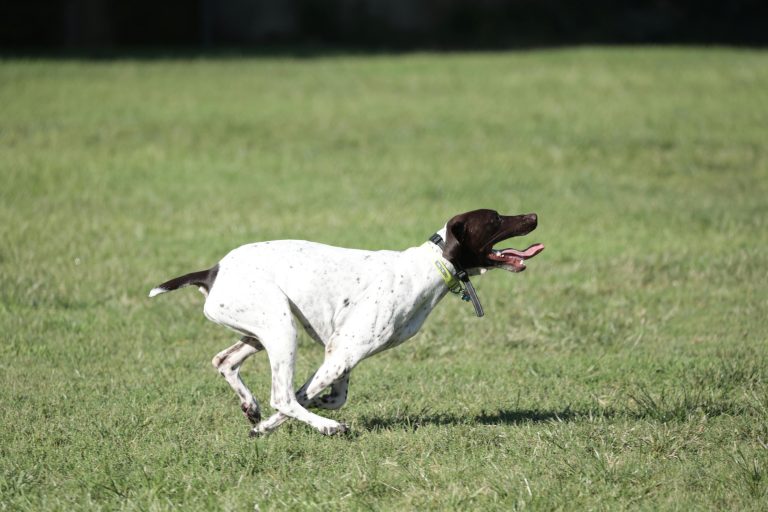
They were bred to work all day in the field — and that work ethic hasn’t disappeared.
When owning a German Shorthaired Pointer, you’re getting:
- High prey drive
- Elite stamina
- Strong bonding tendencies
- Exceptional trainability
- A dog that needs a job
The Pros of Owning a German Shorthaired Pointer
1. Extremely Loyal
GSPs are often called “velcro dogs.” They bond hard with their people.
They’ll follow you everywhere and prefer being involved in whatever you’re doing.
2. Highly Trainable
They’re intelligent and responsive when given structure.
With consistent training, they excel in:
- Upland hunting
- Obedience
- Agility
- Scent work
- Advanced recall
3. Great for Active Families
If you run, hike, hunt, camp, or live outdoors — a GSP thrives in that environment.
The Cons of Owning a German Shorthaired Pointer
1. Energy Is Not Optional
A tired GSP is a good GSP.
Most adult dogs need 90–120 minutes of meaningful activity daily.
Without it, you may see:
- Destructive chewing
- Digging
- Hyperactivity
- Barking
- Counter surfing
2. They Require Training
Owning a German Shorthaired Pointer without training structure leads to chaos.
Early obedience, recall work, and boundary setting are non-negotiable. I recommend at least 6 weeks of professional, basic obedience training for both the dog and the owner(s) unless you have the knowledge and experience to tackle this yourself.
3. They Mature Slowly
Adolescence can last until 2–3 years old.
They test limits. Consistency matters.
Daily Life With a GSP
If you’re wondering what owning a German Shorthaired Pointer looks like day-to-day:
Morning:
- Exercise or field work
- Mental stimulation
- Structured downtime
Afternoon:
- Training reps or enrichment
- Supervised play
Evening:
- Calm bonding time
- Reinforcement of place training
They’re intense — but also extremely affectionate at home.
The Real Cost of Owning a German Shorthaired Pointer
Beyond the purchase price, expect:
- Quality high-protein food
- Crates and kennel systems
- Training equipment
- Veterinary care
- Field gear (if hunting)
A serious setup can run $1,000–$3,000 in the first year depending on gear choices.
Recommended Gear for New GSP Owners
(Soft monetization section — natural placement)
When owning a German Shorthaired Pointer, having the right foundation gear makes life dramatically easier.
1. Proper Crate (Non-Negotiable)
Crate training builds structure and prevents destructive behavior.
👉 See: [Best Dog Crates for Adult German Shorthaired Pointers]
2. Reliable Training Collar (Advanced Training Only)
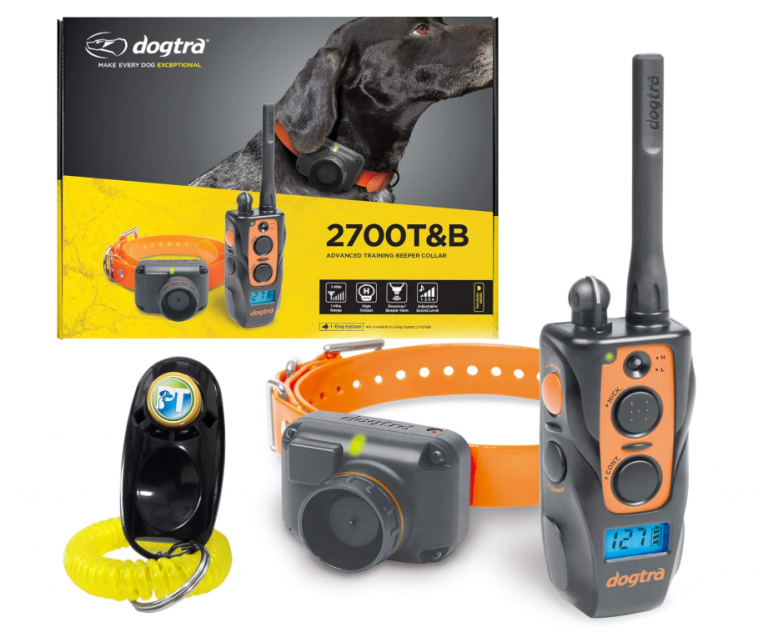
Once foundational obedience is solid, many owners use a modern e-collar system for reliability.
👉 See: [Best E-Collar for German Shorthaired Pointers]
3. GPS Tracking System (For Hunting Dogs)
Field-bred GSPs can range hundreds of yards. A GPS collar adds safety and confidence.
👉 See: [Best GPS Tracking Collars for GSPs]
4. Seasonal Protection Gear
Short coats mean protection matters in:
- Cold weather hunts
- Rough terrain
- Early season heat
👉 Cold weather gear guide
👉 Cooling gear guide
Are German Shorthaired Pointers Good Family Dogs?
Yes — for active families.
They’re affectionate, playful, and typically good with children when properly trained.
But they are large, athletic dogs. Young kids may get knocked over during excited moments.
Supervision and early boundaries are important.
Is a GSP Right for You?
Owning a German Shorthaired Pointer is ideal if:
- You enjoy outdoor activity
- You’re willing to train consistently
- You want a highly engaged companion
- You can provide daily exercise
It may not be right if:
- You want a low-energy couch dog
- You dislike structured training
- You’re gone long hours without an exercise plan
Frequently Asked Questions About Owning a German Shorthaired Pointer
Are German Shorthaired Pointers good for first-time dog owners?
German Shorthaired Pointers can be good for first-time owners — but only if the owner is active and committed to training.
Owning a German Shorthaired Pointer requires:
- Daily structured exercise
- Consistent obedience work
- Mental stimulation
They are not ideal for sedentary households or owners who prefer low-maintenance breeds.
How much exercise does a GSP need daily?
Most adult German Shorthaired Pointers need 90–120 minutes of meaningful activity per day.
This should include:
- Off-leash running (when safe)
- Structured training
- Retrieve drills or scent work
Short walks alone are usually not enough for this breed.
Do German Shorthaired Pointers calm down with age?
Yes — but slowly.
Many GSPs remain high-energy until 2–3 years old. With proper exercise and training, they mature into focused, reliable adult dogs.
However, even older GSPs typically remain active compared to many other breeds.
Are GSPs good family dogs?
German Shorthaired Pointers are typically affectionate and loyal with family members.
They tend to:
- Bond closely with their people
- Enjoy being involved in daily life
- Play well with older children
Because they are athletic and energetic, supervision is important around very young kids.
Can a German Shorthaired Pointer live in an apartment?
It is possible — but difficult.
Apartment living requires:
- Strict daily exercise routine
- Structured downtime training
- Consistent mental stimulation
Without these, behavioral issues are likely to develop.
Do all GSPs need a GPS collar?
Not all — but many hunting GSP owners use one.
Field-bred dogs often range far in open terrain. A GPS tracking collar adds safety and confidence, especially in large hunting areas.
If you hunt upland birds or run your dog off-leash regularly, tracking systems are worth considering.
Is an e-collar necessary for a German Shorthaired Pointer?
An e-collar is not required for pet ownership, but many serious trainers use modern remote collars for advanced recall and off-leash reliability.
Important:
Foundation obedience must come first. An e-collar is a communication tool — not a shortcut.
How much does it cost to own a German Shorthaired Pointer per year?
Annual ownership costs typically include:
- High-quality food
- Veterinary care
- Preventatives
- Training gear
- Replacement field equipment
Depending on activity level, many owners spend $1,000–$2,500 per year after initial setup.
Do German Shorthaired Pointers shed a lot?
They shed moderately.
Their short coat makes grooming simple, but they do shed year-round. Weekly brushing helps reduce loose hair.
Are GSPs aggressive?
German Shorthaired Pointers are not typically aggressive by nature.
They are high-drive sporting dogs with strong prey instincts, which can sometimes be mistaken for aggression. Proper socialization and training help ensure balanced behavior.
Final Thoughts on Owning a German Shorthaired Pointer
The German Shorthaired Pointer is one of the most capable sporting breeds available today.
They are:
- Athletic
- Loyal
- Intelligent
- Driven
But they require intentional ownership.
If you provide structure, exercise, and leadership, owning a German Shorthaired Pointer can be incredibly rewarding.
If you don’t, they will remind you daily.
Choose accordingly.
We publish field-tested gear reviews, training guidance, and safety resources specifically for German Shorthaired Pointer owners who hunt, train, and live with their dogs year-round.