Why Do GSP Puppies Bite So Much? (And How to Stop It Fast)
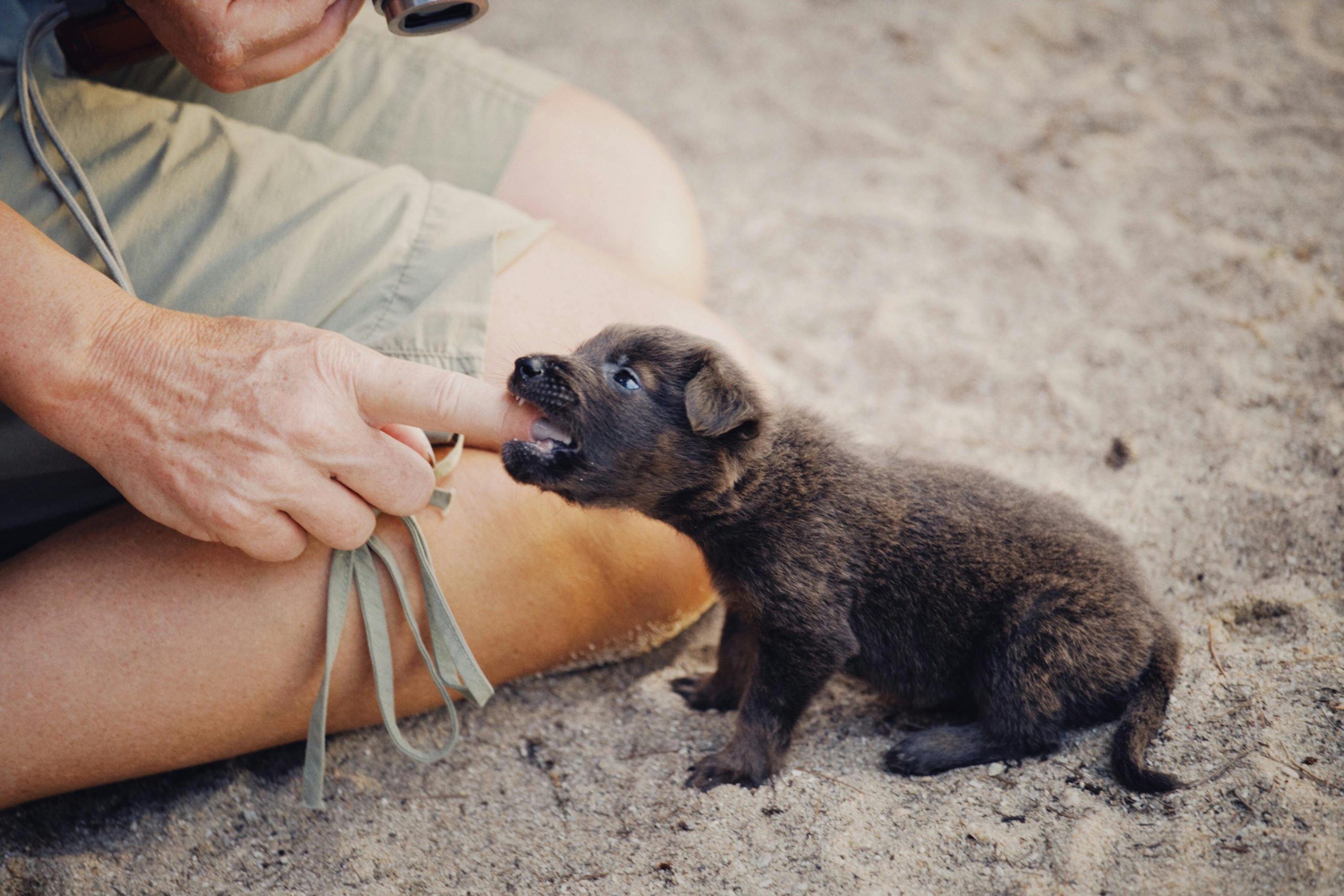
German Shorthaired Pointer puppies are famous for their energy, intelligence, and strong hunting instincts. Many new owners are surprised by how much GSP puppies bite during the first few months.
If your puppy constantly nips at hands, clothes, or furniture, you are not alone. Puppy biting is a normal part of development, especially for high-drive working breeds like German Shorthaired Pointers.
The good news is that with the right training approach, chew toys, and consistency, you can quickly teach your GSP puppy what is and is not appropriate to bite.
Why German Shorthaired Pointer Puppies Bite So Much
There are several reasons GSP puppies bite more than many other breeds. Understanding the cause helps you correct the behavior faster.
Teething
Just like human babies, puppies go through a teething phase. Between about 3 and 6 months old their teeth are coming in, which causes sore gums. Biting and chewing helps relieve that pressure.
This is why puppies often chew furniture, shoes, and anything else they can find.
Play Behavior
Puppies explore the world with their mouths. When littermates play together they bite, wrestle, and nip constantly. When they come home with you, your hands and arms often become their new play targets.
Excess Energy
German Shorthaired Pointers are extremely high-energy dogs. A bored GSP puppy will look for ways to release that energy, and biting is often the result.
Many biting problems are simply caused by a puppy that needs more exercise and mental stimulation.
Attention Seeking
Puppies quickly learn that biting gets a reaction. If every nip causes you to yell, move, or push them away, they may see it as a fun game.
How to Stop a GSP Puppy From Biting
Stopping puppy biting requires consistency and patience. These methods work well for most German Shorthaired Pointer owners.
Redirect to Chew Toys
One of the most effective strategies is redirecting the puppy to something appropriate to chew.
Any time your puppy bites your hands or clothing, immediately replace your hand with a chew toy. Over time the puppy learns that toys are acceptable but people are not.
Good chew toys are essential for GSP puppies because they give them an outlet for their natural chewing instinct.
Increase Exercise
German Shorthaired Pointers require a lot of physical activity. A tired puppy is much less likely to bite.
Daily exercise such as walks, yard play, and basic training sessions can dramatically reduce biting behavior.
Even short training sessions help burn mental energy and improve focus.
Use the “Yelp” Method
When puppies play with their littermates, a hard bite usually causes the other puppy to yelp and stop playing.
You can mimic this behavior by saying “ouch” in a sharp tone and immediately stopping interaction. This teaches the puppy that biting ends the fun.
Be consistent so the puppy clearly understands the rule.
Use Short Time Outs
If biting continues, briefly remove the puppy from the situation. A short time out of 30–60 seconds helps them calm down and reset.
Avoid yelling or punishment. Calm and consistent correction works much better with intelligent breeds like German Shorthaired Pointers.
Common Mistakes That Make Puppy Biting Worse
Many well-meaning owners accidentally reinforce biting behavior.
Playing Rough With Hands
If you allow the puppy to wrestle with your hands during play, they will assume biting hands is acceptable.
Always use toys instead.
Not Providing Enough Exercise
High-drive breeds need outlets for their energy. Without enough activity, puppies create their own entertainment.
Inconsistent Rules
If biting is sometimes allowed during play but sometimes corrected, the puppy becomes confused.
Clear and consistent rules help the puppy learn faster.
When GSP Puppies Grow Out of Biting
Most German Shorthaired Pointer puppies begin to improve significantly around 5 to 7 months of age once teething slows down and training becomes more consistent.
However, without proper guidance the behavior can continue into adulthood.
Early training, chew toys, and regular exercise will help your puppy learn appropriate behavior quickly.
Many GSP owners eventually introduce an e-collar once their dog understands basic commands. If you’re considering one, see our guide to the best e-collar for German Shorthaired Pointers.
Final Thoughts
Puppy biting can be frustrating, but it is a normal stage of development for German Shorthaired Pointers. Their high energy and hunting instincts make them especially mouthy during the early months.
With patience, proper training, and plenty of appropriate chew outlets, most GSP puppies grow out of the biting phase and develop into well-behaved companions.
Consistent training early on will make a huge difference as your puppy grows into the energetic hunting dog the breed is known for.
We publish field-tested gear reviews, training guidance, and safety resources specifically for German Shorthaired Pointer owners who hunt, train, and live with their dogs year-round.