Heat Management for High-Drive Hunting Dogs
High-drive hunting dogs don’t know when to quit. Breeds like German Shorthaired Pointers will run until exhaustion if handlers don’t manage heat proactively. Heat-related illness is one of the most common—and preventable—dangers for working dogs.
Understanding heat management can save your dog’s life.
Why High-Drive Dogs Are Vulnerable to Heat
Hunting dogs generate extreme body heat due to:
- Continuous running
- Excitement and drive overriding fatigue
- Limited self-regulation
- Warm early-season temperatures
Dogs do not cool themselves efficiently and rely on handlers to intervene.
Early Signs of Heat Stress
Recognizing heat stress early is critical.
Watch for:
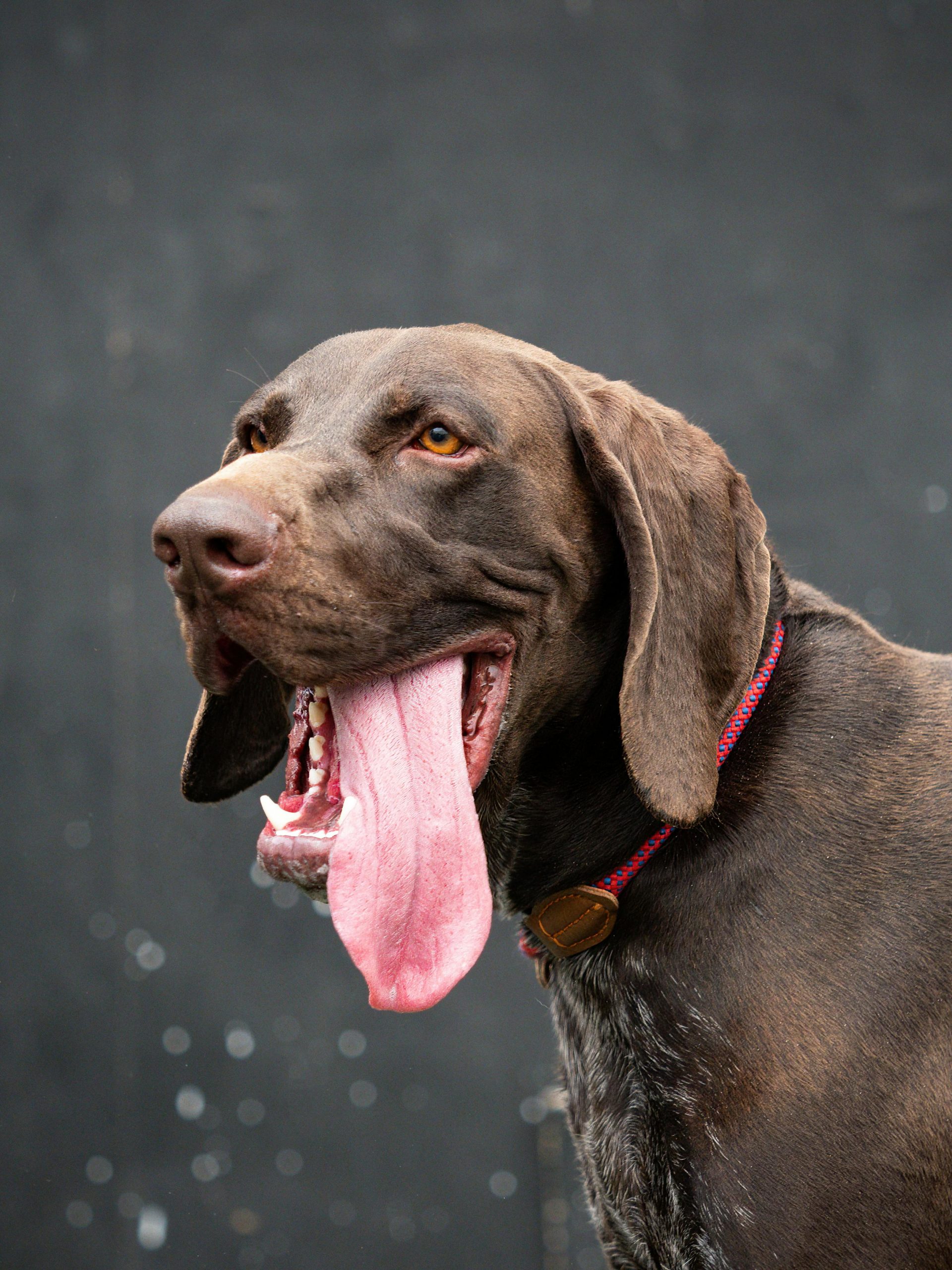
- Excessive panting
- Dark or bright red gums
- Slowed response to commands
- Unsteady movement
- Lying down unexpectedly
If symptoms escalate, heat exhaustion can progress rapidly.
Heat Management Strategies in the Field
1. Hydration Before, During, and After Hunts
Dogs should be hydrated before the hunt begins—not just after.
Tips:
- Offer water frequently
- Use collapsible bowls or squeeze bottles
- Encourage small, regular drinks
Avoid ice-cold water during active overheating.
2. Adjust Hunt Timing
Heat risk increases rapidly during:
- Midday hours
- High humidity
- Little wind or shade
Hunt early mornings, shorten sessions, and rest often.
3. Cooling Techniques in the Field
Effective cooling methods include:
- Shading during breaks
- Wetting the belly, chest, and paws
- Allowing airflow while resting
Avoid pouring water directly on the back during extreme heat.
4. Recovery Between Runs
Rest periods are not optional for high-drive dogs.
Provide:
- Shaded rest areas
- Time to fully cool before resuming
- Observation for lingering symptoms
Stopping early is better than pushing too far.
Heat Stroke: When to Act Immediately
Heat stroke is a medical emergency.
Seek veterinary care immediately if you see:
- Vomiting or diarrhea
- Collapse
- Disorientation
- Seizures
- Loss of consciousness
Begin cooling immediately while transporting to a vet.
Final Thoughts
Heat management is one of the handler’s most important responsibilities. High-drive hunting dogs will give everything they have—often more than they should.
Smart planning, constant monitoring, and knowing when to stop keeps dogs safe and hunting for years to come.
Disclosure
Some links on this site are affiliate links. We may earn a commission at no additional cost to you.
We publish field-tested gear reviews, training guidance, and safety resources specifically for German Shorthaired Pointer owners who hunt, train, and live with their dogs year-round.