Helpful Tick Removal Tools to Keep in Your Truck
A few inexpensive tools can make tick removal much easier.
Consider carrying:
- Fine-tipped tweezers
- Tick removal hooks
- Disposable gloves
- Antiseptic wipes
- Small first aid kit
Keeping these items in your truck ensures you’re prepared when you find a tick after a hunt.
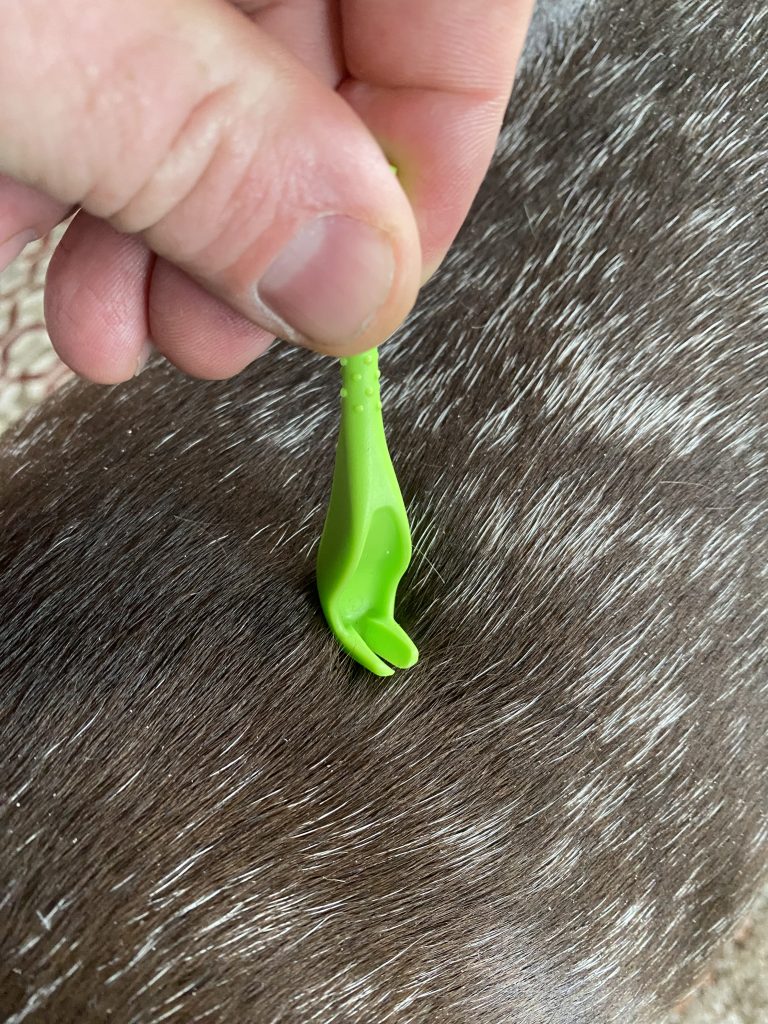
One of my favorite tools is the Tick Twister. It removes attached ticks quickly and cleanly without squeezing the body of the tick during removal.
Preparing Your Dog for Hunting Season
Tick prevention is only one part of keeping a hunting dog healthy and ready for the field.
Conditioning, hydration, nutrition, and proper training all play important roles as hunting season approaches.
If you’re getting your dog ready for fall, check out our step-by-step conditioning plan:
Many handlers also overlook first aid preparation. A basic field kit can make a huge difference when dealing with cuts, torn pads, or minor injuries in remote cover.
Protecting Young Dogs and Puppies
Puppies and young hunting dogs are often exposed to ticks during walks, training sessions, and early bird work.
Building good inspection habits early helps prevent problems later.
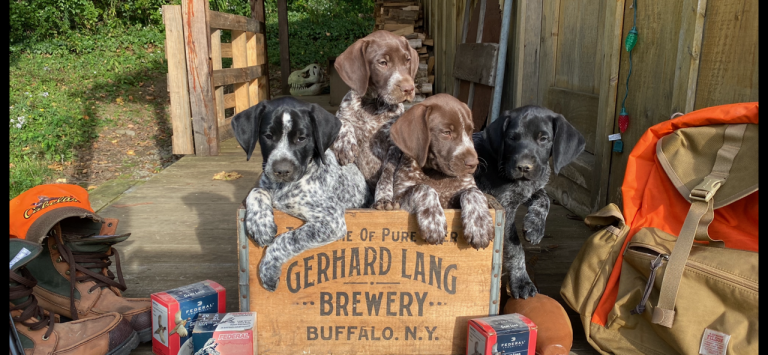
If you’ve recently brought home a German Shorthaired Pointer puppy, start with a simple routine:
- Check ears daily
- Check between toes
- Inspect under the collar
- Remove ticks immediately
If you’re still working through the early puppy stage, these resources may help:
GPS Collars and Tick Checks
Many hunters assume GPS collars eliminate the need for physical inspections.
They don’t.
Even if you’re tracking your dog with modern technology, daily tick checks remain essential.
If you’re considering GPS tracking equipment, see our guide here:
Final Thoughts
Tick prevention for hunting dogs isn’t complicated, but it does require consistency.
The combination of preventative medication, daily inspections, and quick tick removal dramatically reduces your dog’s risk of serious illness.
For bird dogs that spend their lives charging through thick cover, a few minutes of prevention after every hunt can make the difference between a healthy season and time spent at the veterinarian.
Protect your dog, stay vigilant, and make tick checks part of every hunt.
Disclosure
Some links on this site are affiliate links. We may earn a commission at no additional cost to you.
We publish field-tested gear reviews, training guidance, and safety resources specifically for German Shorthaired Pointer owners who hunt, train, and live with their dogs year-round.